
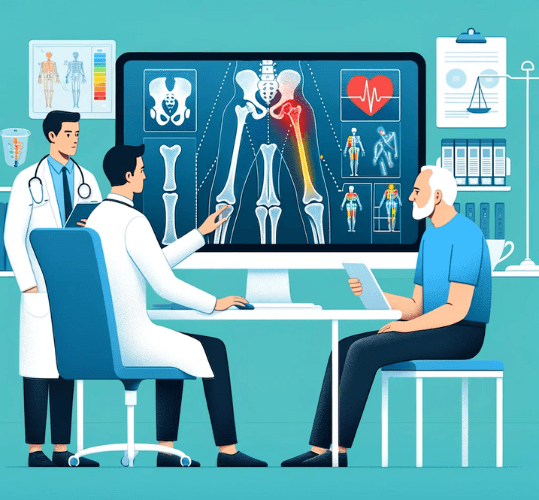
Bones are living tissue
Bones are often thought of as static structures, but they are highly dynamic. Throughout life, bone tissue is constantly remodeled through a balance of bone formation and bone breakdown. This balance is essential for maintaining strength and structural integrity.
How cancer disrupts bone balance
When cancer spreads to bone, it can interfere with this delicate balance. Cancer cells may stimulate excessive bone breakdown or abnormal bone formation, weakening the skeleton over time. These biological changes can begin long before symptoms appear or damage is visible on scans.
The impact on quality of life
As bone structure deteriorates, patients may experience pain, stiffness, or fractures. These complications can reduce mobility, limit daily activities, and increase the need for medical interventions. Beyond the physical effects, bone complications often place an emotional and psychological burden on patients and their families.
The challenge of late detection
Today, bone metastases are often identified only once structural damage has occurred. At this stage, treatment focuses primarily on managing symptoms and preventing further complications rather than addressing early biological changes in bone tissue.
The promise of earlier insight
Researchers are increasingly focused on understanding bone changes at much earlier stages. By studying how bone tissue responds to disease before major damage occurs, it may become possible in the future to better anticipate complications, guide research, and improve how bone health is managed in cancer care.
Why research into bone biology is essential
Advancing knowledge of bone biology helps bridge the gap between laboratory research and patient care. Human-relevant bone models and functional research tools play an important role in generating insights into how diseases affect the skeleton and how bone health might be better protected over time.
This article is for informational purposes only and does not provide medical advice.